Lilac Gold Texture Backgrounds: A Refined Tool for Modern Digital Design
In an era where visual identity can make or break a brand, the demand for distinctive, high-quality design assets has never been greater. Among the many options available to creators, Lilac Gold Texture Backgrounds stand out as a versatile and sophisticated choice. These aren’t just decorative elements; they are foundational tools that can elevate everything from a wedding invitation to a product mockup. But what exactly makes them so relevant today, and how can you integrate them into your own workflow?
This article explores the practical value of these digital papers, examines how they fit into current design trends, and offers grounded advice for getting the most out of your files. Whether you are a seasoned professional or a curious hobbyist, understanding the strengths and limitations of this asset will help you use it with confidence and creativity.
Why Texture Backgrounds Matter in Contemporary Design
The shift toward tactile, layered aesthetics in digital spaces is one of the most notable developments in recent design history. Flat minimalism has given way to a hunger for depth, warmth, and sensory richness. Lilac Gold Texture Backgrounds respond directly to this shift. The combination of a soft, calming purple palette with the metallic accent of gold creates a visual tension that feels both luxurious and approachable.
This pairing is not accidental. Purple, in its lilac form, conveys creativity, tranquility, and a hint of nostalgia. Gold adds a sense of value, celebration, and refinement. Together, they produce a backdrop that works for an extraordinary range of projects—from digital card making to blog and website backgrounds. In a marketplace saturated with generic stock imagery, textured backgrounds like these help creators maintain a distinctive visual voice without starting from scratch.
For marketers and business owners, this translates directly into brand perception. A thoughtfully designed background can signal professionalism and attention to detail. For bloggers and educators, it provides a non-distracting yet visually engaging canvas for text and graphics. The high resolution of these files (3600×3600 pixels, 300dpi) ensures that the texture remains crisp whether viewed on a screen or printed at 12×12 inches.
What This Set Offers: More Than Just Pretty Papers
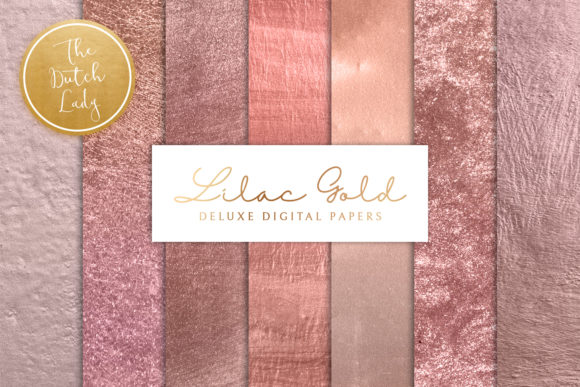
When you invest in a set of digital papers, the specifications matter as much as the aesthetic. This particular collection includes 7 digital paper image files, each with its own unique variation of the lilac and gold theme. Importantly, the patterns are not seamless. This is a feature worth understanding, as it influences how you can use the files effectively.
Non-seamless patterns are ideal for projects where a single, framed image is needed—such as a card front, a poster background, or a digital scrapbook page. They offer more organic variation than a repeating tile, which can sometimes feel mechanical. If you need a seamless pattern for wallpaper or fabric design, you would need to use image editing software to create a repeating tile from one of the files. This is completely doable, but it requires a basic level of familiarity with tools like Photoshop, GIMP, or Affinity Photo.
All files are delivered as .JPEG images. This format is universally supported and offers a good balance between quality and file size. At 300dpi, the resolution is ideal for both print and digital use. The square format (3600×3600 pixels) provides ample canvas area for cropping to standard print sizes like 8×10, A4, or 12×12 inches.
Practical Applications: From Mugs to Websites
The versatility of Lilac Gold Texture Backgrounds is one of their strongest selling points. Let's walk through some of the most common and effective use cases, keeping in mind the non-seamless nature of the patterns.
Print Projects and Digital Card Making
For anyone who creates handmade or digital cards, these backgrounds are a ready-made solution. The 12×12 inch size is standard for card bases and scrapbook pages. You can print directly onto matte or glossy cardstock and layer your design elements on top. The lilac and gold combination works particularly well for wedding invitations, birthday greetings, and thank-you notes. Because the patterns are not seamless, you get a unique, organic look for each card you create.
If you are printing on mugs, t-shirts, or wall art, the high resolution ensures that the texture reproduces beautifully. For sublimation printing or direct-to-garment processes, the JPEG format is straightforward to import into the required software.
Digital Backgrounds for Blogs and Websites
A texture background can transform a plain website header or blog post graphic. Lilac Gold Texture Backgrounds provide a soft, sophisticated foundation that doesn’t compete with your content. Use them as full-page backgrounds behind white or light-colored text, or as accent panels behind specific sections like calls to action or product features. Just remember that the non-seamless pattern means you will see the edge of the square if you tile it. For most web uses, a single large image is sufficient for a hero section or banner.
Base Layer for Digital Projects
Many designers use textured backgrounds as a starting point for digital composites. You can overlay photos, typography, and graphics on top of the lilac and gold texture, then use blending modes and layer masks to create rich, multidimensional artwork. The 3600×3600 pixel resolution gives you plenty of pixel data to work with, even if you need to scale the image slightly.
The Editing Reality: What You Need to Know Before You Start
It is essential to go into any digital asset purchase with a clear understanding of the tools required. As the product notes state, you need image editing software to modify these files. This is not a set of ready-to-use templates; it is a set of raw materials. You do not need to be a professional designer, but you should be comfortable with basic operations like cropping, resizing, adjusting brightness or contrast, and layering images.
If you are new to digital design, consider starting with free or affordable software such as GIMP, Canva (Pro version allows layer uploads), or Photopea. These tools can handle JPEG files at 300dpi and allow you to rotate, scale, and combine the textures with other design elements. For more advanced work, Adobe Photoshop or Affinity Photo gives you the most control over blending and effects.
Here are a few practical editing considerations for working with these files:
- Color adjustment: The lilac tones may appear differently on various screens or when printed on different materials. Use software to adjust hue, saturation, or warmth if needed.
- Cropping: Since the patterns are not seamless, you may want to crop the image to a specific ratio for your project. The 3600×3600 base gives you plenty of room to work with.
- Layering: Experiment with overlay and multiply blend modes to integrate the texture with other images or text. This is where the non-seamless, organic quality of the patterns really shines.
- Print preparation: Ensure your software is set to 300dpi output and that your printer profile matches the paper type you are using.
How Personalization and Niche Aesthetics Drive Demand
One of the reasons textured backgrounds like these have gained traction is the broader movement toward personalization in both business and personal projects. Consumers no longer want generic, one-size-fits-all visuals. They want their stationery, their social media graphics, and their home decor to reflect a specific mood or identity.
Lilac Gold Texture Backgrounds appeal to those who are drawn to soft, romantic, or elegant aesthetics. For wedding planners, event designers, and boutique brand owners, this palette offers a way to differentiate without being loud. For educators creating classroom materials or lesson backgrounds, the gentle texture adds visual interest without overwhelming the content.
This trend toward niche aesthetics is likely to continue. As more people start side businesses, freelance careers, or content creation channels, the need for unique, high-quality assets grows. Digital papers that combine a popular color scheme (lilac) with a timeless accent (gold) occupy a sweet spot in the market: they are trendy enough to feel current, but classic enough to remain useful for years.
Recommendations for Getting the Most Out of Your Set
Based on practical experience with similar assets, here are a few grounded recommendations for using Lilac Gold Texture Backgrounds effectively.
- Preview before you print. Always do a test print on plain paper first. This lets you check color accuracy and see how the texture behaves at the size you intend to use.
- Use as a full-frame image. Because the patterns are not seamless, they work best when used as a single, full-frame background rather than as a repeating tile. Position your content centrally or with intentional cropping to avoid awkward edges.
- Pair with simple typography. The texture itself is rich. Keep fonts clean and minimal (think serif or sans-serif in white, cream, or deep purple) to maintain visual balance.
- Back up your files. Since you receive only 7 images, each one is valuable. Store them in a cloud service or external drive so you can access them for future projects.
- Combine with other textures. Don’t be afraid to layer these backgrounds with subtle patterns or paper textures for added depth. Just be mindful of the overall visual weight.
Why Resolution and Format Matter for Professional-Grade Results
In a world where images are often compressed for social media or scaled down for web use, it can be easy to overlook resolution. But for anyone printing or producing physical goods, 300dpi is the gold standard. These files deliver that. At 3600×3600 pixels, you have enough detail to print at 12×12 inches without any pixelation or blurring.
For digital use, you can safely scale the images down without losing quality. This makes them suitable for everything from a full-screen website background to a small Instagram story accent. The JPEG format ensures compatibility across platforms and devices, which is critical for creators who work across different operating systems or software ecosystems.
A Final Note on Creative Freedom
Ultimately, Lilac Gold Texture Backgrounds are what you make of them. They are not a finished product; they are a starting point. The combination of high resolution, a refined color palette, and organic, non-seamless patterns gives you a flexible asset that can adapt to a wide range of creative visions. Whether you are a professional designer building a brand identity, a small business owner creating product packaging, or a hobbyist exploring digital art, these papers offer a reliable foundation.
The key is to approach them with realistic expectations. Understand that editing is necessary, that the patterns are not seamless, and that your own creativity is the final ingredient. With those points in mind, you have everything you need to produce beautiful, professional-quality work that stands out in a crowded visual landscape.