Unlock Creative Design Possibilities with Seamless Plaid Tartan Fabric Overlays
In the ever-evolving world of digital design, finding versatile, high-quality assets that can transform a simple project into a visually compelling masterpiece is a constant pursuit. Among the most underutilized yet powerful tools in a designer's toolkit are seamless plaid tartan fabric overlays. These digital papers, often sold as transparent PNG files, offer a unique way to add texture, depth, and a touch of rustic elegance to any creative work. Whether you are a seasoned graphic designer, a small business owner crafting marketing materials, or a hobbyist exploring digital scrapbooking, understanding how to use these overlays can elevate your projects from ordinary to extraordinary.
This article will explore everything you need to know about tartan plaid overlay digital papers—what they are, why they matter, how they work, and how you can integrate them into your modern creative workflow. We will break down the technical aspects, clarify common misconceptions, and provide practical examples that demonstrate their immense value.
What Exactly Are Tartan Plaid Overlays?
At their core, tartan plaid overlays are digital image files designed to mimic the look of woven textile fabric. Unlike standard plaid patterns that might be used as a solid background image, these overlays are distinguished by one critical feature: transparent areas. This transparency allows the overlay to be placed—or "overlaid"—on top of other images, colors, or textures, blending seamlessly to create a layered, integrated design.
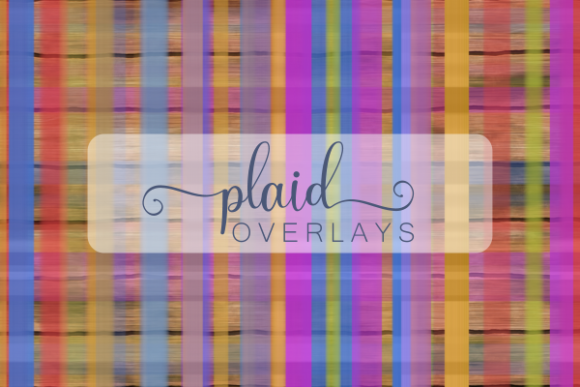
A typical set, such as the one described in the product summary, includes 20 transparent PNG files at a high resolution of 300 dpi. Each file measures 12 inches square (3600 pixels by 3600 pixels), ensuring that the pattern remains crisp and clear even when used in large-format prints or high-resolution digital displays. The patterns are inspired by classic tartan and plaid weaves—featuring stripes, checkered grids, and rustic textile textures—but are optimized for digital use.
Think of them as a digital layer of fabric that you can drape over any background. The underlying image shows through the transparent gaps, creating a custom composite that looks like the plaid pattern is part of the original material. This technique is widely used in photo editing, digital scrapbooking, packaging design, web design, and even print-on-demand merchandise.
How Transparent PNGs Work in Practice
The PNG (Portable Network Graphics) format supports transparency, which is the cornerstone of how these overlays function. When you place a plaid overlay on top of a solid color or a photographic background, the transparent areas allow the background to show through, while the opaque areas display the plaid pattern. This creates the illusion that the plaid is a texture applied to the underlying surface.
For example, imagine you have a photograph of a rustic wooden table. If you apply a tartan overlay with transparent gaps, the wood grain will peek through the checkered spaces, making it look as though a plaid cloth is resting on the table. By adjusting the blending mode or opacity of the overlay layer in software like Adobe Photoshop, Procreate, or Canva, you can fine-tune how prominently the plaid appears—from a subtle whisper of texture to a bold, dominant pattern.
The Purpose and Significance of Plaid Overlays in Modern Design
Why should you care about adding fabric-like textures to your digital projects? The answer lies in the psychological and aesthetic impact of texture and pattern. In a digital landscape often dominated by flat, minimalist designs, adding a tactile, textile element can create warmth, depth, and a sense of authenticity. Tartan and plaid patterns, in particular, evoke feelings of tradition, comfort, and rustic charm. They are associated with cozy interiors, heritage fashion, and timeless style.
Using these overlays allows designers to:
- Add Depth Without Complexity: Instead of creating intricate illustrations or 3D renders, you can achieve a layered, textured look with a single PNG file.
- Create Consistent Theming: Plaid patterns are excellent for establishing a cohesive visual theme across a series of products, social media posts, or print materials.
- Save Time and Resources: Purchasing a set of pre-made, high-resolution overlays is far more efficient than designing fabric textures from scratch.
- Enhance Brand Storytelling: For brands with a rustic, heritage, or outdoor aesthetic, tartan overlays can reinforce their identity in a subtle but powerful way.
Practical Applications: Where to Use Tartan Plaid Overlays
The versatility of these digital papers means they can be applied across numerous creative and commercial contexts. Below are some of the most impactful use cases.
1. Digital Scrapbooking and Memory Keeping
For hobbyists and professional scrapbookers, plaid fabric overlays are a staple. They can be used as page backgrounds, photo mats, or decorative elements. Because they are transparent, you can layer them over patterned papers or solid cardstock to create a custom background that looks like real fabric. This adds a tactile, dimensional feel to digital layouts that is otherwise difficult to achieve.
2. Graphic Design and Branding
Small business owners and graphic designers can incorporate these overlays into branding materials such as business cards, letterheads, and social media graphics. A subtle tartan overlay behind a company logo can convey a sense of tradition and reliability. For example, a coffee roastery or a woodworking brand might use a rustic red-and-black plaid to evoke a warm, artisanal feel.
3. Product Mockups and Packaging Design
When designing product packaging, especially for items like candles, soaps, baked goods, or textiles, adding a plaid overlay can make the packaging look more premium and thematic. Designers often use these overlays on product mockups to test how the pattern interacts with different shapes and materials before going to print. The high 300 dpi resolution ensures that the pattern remains sharp even when scaled to fit a box or label.
4. Web and Digital Media
Web designers can use plaid overlays as subtle background textures on landing pages, hero sections, or blog graphics. By reducing the opacity and using a soft blending mode, the pattern adds visual interest without overpowering the content. This is particularly effective for lifestyle blogs, e-commerce stores selling rustic home decor, or websites focused on outdoor adventures.
5. Print-on-Demand and Merchandise
If you sell custom merchandise through platforms like Printful, Redbubble, or Teespring, you can use these overlays to design eye-catching products. T-shirts, tote bags, phone cases, and mugs can all feature a plaid pattern overlay, giving them a unique, textile-inspired look that stands out in a crowded marketplace. Because the files are large (3600px square), they can be printed on a wide range of product sizes without losing quality.
How to Use Tartan Plaid Overlays: A Step-by-Step Guide for Beginners
If you are new to using transparent PNG overlays, the process is straightforward. Here is a basic workflow that works in most editing software.
- Open Your Background Image: Start with the image, color, or gradient you want the plaid to appear on top of. This could be a photograph, a solid color, or another pattern.
- Import the Overlay: Drag and drop the plaid PNG file onto your canvas. It will appear as a new layer on top of your background.
- Resize and Position: Use the transform tool (Ctrl+T or Cmd+T) to scale the overlay to fit your canvas. Because the file is 12 inches at 300 dpi, it will likely be larger than your canvas, so you may need to scale it down.
- Adjust Blending Mode: In the layers panel, change the blending mode of the overlay layer. Common choices include Multiply (which creates a dark, fabric-like effect), Screen (which lightens and highlights), Overlay (which adds contrast and pattern), or Soft Light (a gentle, subtle effect).
- Fine-Tune Opacity: Reduce the opacity slider to dial in the intensity of the pattern. Start at 50% and adjust up or down based on your preference.
- Finalize and Export: Once you are satisfied with the look, save your project as a high-resolution JPEG, PNG, or TIFF for printing, or as a web-optimized file for digital use.
Common Misunderstandings and How to Avoid Them
As with any digital asset, there are a few common misconceptions about plaid overlays that can lead to less-than-ideal results.
Myth 1: Overlays are only for backgrounds.
While they work beautifully as backgrounds, plaid overlays can also be used as texture layers for text, shapes, and illustrations. Apply a plaid overlay to a block of text using a clipping mask, and the letters will appear to be made of woven fabric.
Myth 2: Transparent PNGs don't need adjustments.
Many beginners assume that simply placing the overlay on top of an image will produce a perfect effect. In reality, you almost always need to adjust the blending mode and opacity to integrate the pattern naturally. Without these adjustments, the overlay can look like a floating sticker rather than an integrated texture.
Myth 3: All plaid overlays look the same.
A high-quality set, such as the one described, includes 20 distinct patterns. These can range from large-scale tartan grids to fine-checkered stripes and rustic, irregular weaves. Having a variety allows you to match the pattern scale and color scheme to your specific project, avoiding a one-size-fits-all look.
Why Quality Matters: Resolution and DPI
One of the most important factors when choosing digital overlays is resolution. The set mentioned specifies 300 dpi (dots per inch) and a 3600-pixel square size. This is significant for two reasons:
- Print Quality: Standard print resolution is 300 dpi. Using lower-resolution overlays can result in blurry, pixelated patterns when printed. With 300 dpi, your final product will appear sharp and professional.
- Scalability: At 12 inches square, you have plenty of room to scale the pattern up or down. If you need a large banner or a small label, the file can be adjusted without distortion.
Whether you are printing a poster, a product box, or a fabric tag, starting with high-resolution assets ensures that the final result looks like a premium, carefully designed product.
Integrating Plaid Overlays into Modern Creative Workflows
In today's fast-paced creative environment, efficiency is key. Designers, content creators, and business owners often work across multiple platforms—from Adobe Creative Suite to Canva, Procreate, and Affinity Designer. The beauty of transparent PNG files is their universal compatibility. They can be imported into virtually any design software that supports layers.
For social media managers, these overlays can be used to create a series of branded posts with a consistent, recognizable look. A plaid overlay applied to product photos can make an Instagram feed feel cohesive and curated. For educators and course creators, plaid overlays can add visual interest to slides, worksheets, and digital resources, making them more engaging for learners.
In the realm of AI-generated content, these overlays can also be used to add texture to synthetic images. By layering a tartan pattern over an AI-generated scene, you can introduce a sense of realism and materiality that pure AI output sometimes lacks.
Tips for Getting the Most Out of Your Tartan Plaid Overlays
To help you achieve professional-looking results, here are a few advanced tips:
- Use masking for targeted application: Instead of applying the overlay to the entire canvas, use a layer mask to reveal the plaid only in specific areas—such as the folds of a curtain or the surface of a table.
- Combine multiple overlays: Layer two different plaid patterns at different opacities and blending modes to create a custom, unique weave effect.
- Experiment with color: Although the overlays themselves have fixed colors, you can adjust them using Hue/Saturation or Color Balance adjustments to match your brand palette.
- Add shadows and highlights: For a realistic fabric look, place a soft shadow layer beneath the plaid overlay, and a subtle highlight layer above it. This simulates the way light interacts with real woven material.
Conclusion: A Small Asset, A Big Impact
Seamless plaid tartan fabric overlays may seem like a niche digital product, but their potential is remarkably broad. From adding warmth to a digital scrapbook page to creating a cohesive brand identity for a rustic lifestyle business, these transparent PNG files offer a simple yet powerful way to incorporate texture, tradition, and visual depth into your work. By understanding the fundamentals of transparency, blending modes, and resolution, you can harness these overlays to produce stunning, professional-quality designs.
Whether you are a beginner just starting to explore digital design or an experienced creative looking to expand your toolkit, investing in a high-quality set of tartan plaid overlays—like the 20 Transparent PNG Files at 300 dpi and 3600 pixels square—provides you with a versatile foundation for countless projects. With their seamless repeatability, authentic textile appearance, and ease of use, these overlays are not just decorative elements; they are strategic assets that can elevate your creative output and help you tell richer, more textured visual stories.
So the next time you find yourself facing a flat, uninspired background, remember the humble plaid overlay. With a simple drag, drop, and blend adjustment, you can transform the ordinary into something beautifully woven with character and charm.