Unlocking Creative Potential with a Cute Animal Collection Pattern
When you are building a brand, designing a children’s book, or creating packaging for a playful product line, the assets you choose can make or break the entire feel of your project. A carefully assembled cute animal collection pattern does more than just add visual charm. It establishes an emotional tone, simplifies your workflow, and gives you a ready-made toolkit that can be adapted across multiple media. Whether you are a seasoned designer or a small business owner taking the DIY route, understanding what these pattern sets offer and how to use them effectively will save you hours of work and elevate your final output.
What Makes a Cute Animal Collection Pattern So Versatile
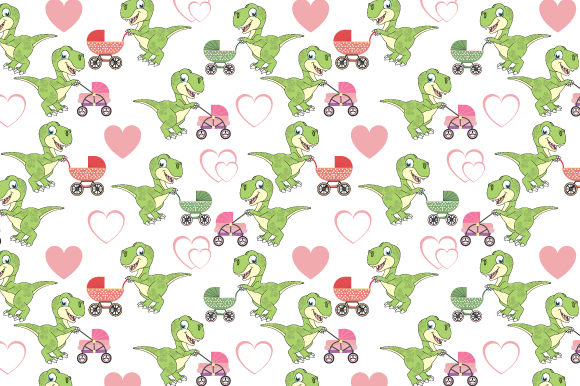
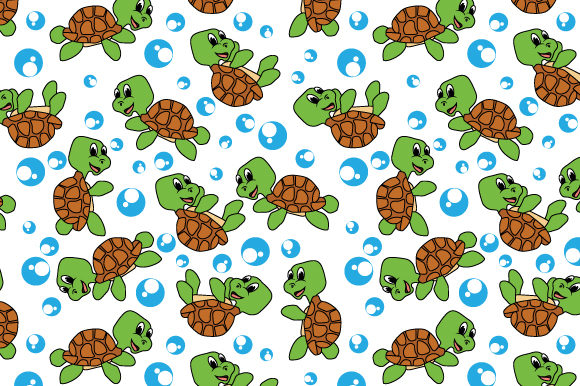
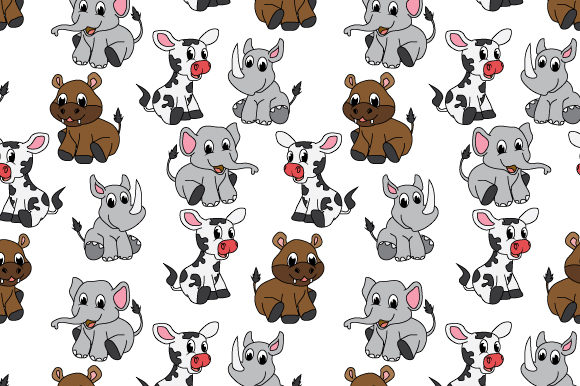
At its core, a cute animal collection pattern is a coordinated set of repeating surface designs featuring stylized animals. These are not just isolated illustrations. They are designed to tile seamlessly, meaning you can apply them to everything from wrapping paper to fabric to website backgrounds without awkward breaks or visible seams. The best collections include multiple animal motifs that share a consistent aesthetic, so you can mix and match elements across different projects while maintaining a unified look.
The versatility comes from the fact that these patterns are pre-optimized for repetition. Instead of painstakingly arranging individual animal illustrations and hoping they align, you get a single file that repeats perfectly. This is especially valuable when you are working on large-scale applications like wallpaper rolls, gift wrap, or upholstery fabric. You can scale the pattern up or down, change its color palette, or layer it with other design elements without losing the underlying cohesion of the animal motifs.
The Hidden Value in Multiple File Formats
A common scenario designers face is receiving a beautiful pattern file that simply will not open in their preferred software. That is why a robust cute animal collection pattern is supplied in multiple formats. The ZIP file containing SVG 1.1 format, Ai 10 format, and EPS 10 format covers almost every modern design workflow. SVG files are ideal for web and screen use because they scale infinitely without losing quality and can be edited in any code editor or vector application. Ai 10 format guarantees compatibility with older and newer versions of Adobe Illustrator, while EPS 10 format ensures the pattern can be imported into CorelDRAW, Affinity Designer, Inkscape, and even some 3D modeling tools.
Having all three formats in a single download means you never have to hunt for a converter or ask the seller for a different file type. You can jump straight into your project whether you are designing on a laptop in a coffee shop, working on a studio desktop, or handing the file off to a printer who prefers EPS files.
Practical Applications Across Industries and Projects
A cute animal collection pattern is far more than a decorative novelty. It has real function across a wide range of industries. In the apparel sector, these patterns are used for children’s clothing, infant accessories, and even playful adult loungewear. Home decor brands use them for throw pillows, duvet covers, wallpaper accent walls, and kitchen textiles. Stationery designers incorporate them into notebooks, stickers, gift tags, and planner covers.
For digital applications, pattern files in SVG format load quickly on websites and can be used as hero section backgrounds, social media templates, or email newsletter headers. The repeatability of the pattern means you can cover a large digital canvas with minimal file size. In e-commerce, a shop that sells baby products or pet accessories can use a cute animal collection pattern as a cohesive branding element across product pages, packaging inserts, and thank-you cards. The consistency builds recognition and trust with customers who appreciate the playful, thoughtful design.
Scenarios Where the Right Pattern Saves the Day
Imagine you are designing a birthday party invitation suite for a toddler. Instead of creating a new illustration for each element, you pull a pattern from the collection for the envelope liner, use a single animal motif from the set for the main invite, and scale another variation for the thank-you card. The result looks coordinated without being repetitive. Similarly, if you are building a Shopify store for a pet supply brand, you can use the pattern as a background on your homepage, then extract individual animals for product badges, category icons, and social media posts. The initial investment in the pattern set pays off every time you reuse it in a new context.
For surface pattern designers themselves, having a collection of reusable animal patterns in SVG, Ai, and EPS formats means you can quickly mock up product mockups for your portfolio or pitch to clients. Instead of redrawing patterns for each presentation, you pull from your library, adjust colors to match the client’s brand guidelines, and deliver polished concepts in a fraction of the time.
Key Qualities to Look for in a Cute Animal Collection Pattern
Not all pattern collections are created equal. The most useful sets share several important characteristics. First, the color palette should be intentional and versatile. Patterns with too many clashing colors can be limiting, while those built around a harmonious palette of three to six colors can adapt to many projects. Second, the animal illustrations themselves should be recognizable but stylized enough that they feel cohesive as a set. A mix of familiar animals like cats, dogs, rabbits, and bears gives you variety, but they should all feel like they belong in the same world.
Seamless repeat is non-negotiable. You should be able to look at the pattern and not see obvious lines or awkward spacing where the tile repeats. Professional collections are tested by the creator so that you do not have to waste time fixing alignment issues. The scale of the pattern matters too. Some projects call for a large, bold repeat, while others need a subtle, small-scale texture. The best collections offer multiple scales or are designed so you can resize the pattern without distorting the proportions of the animals.
Why SVG, Ai, and EPS Matter for Long-Term Use
The longevity of your design assets depends heavily on the file formats you choose. Vector formats like SVG 1.1, Ai 10, and EPS 10 are resolution-independent. Unlike raster images that become pixelated when enlarged, vector patterns remain crisp at any size. This is crucial when you print a pattern on a business card today and later decide to use the same pattern on a billboard-sized banner. The vector data ensures the edges of your cute animals stay sharp and clean.
SVG 1.1 is particularly valuable for web designers because it can be styled with CSS and animated with JavaScript. You could fade in parts of the pattern, change its color on hover, or use it as a dynamic background that responds to user interactions. Ai 10 format offers the most editing flexibility inside Adobe Illustrator, allowing you to ungroup elements, recolor individual animals, or combine different patterns into a custom composition. EPS 10 format is the universal standard for exchanging vector files between different software environments, so you can hand your pattern to a colleague using Affinity Designer or a print shop running proprietary RIP software, and it will open correctly.
Practical Considerations Before You Buy or Use a Pattern Set
Before you download a cute animal collection pattern, think about the scope of your project. If you only need a single pattern for one product, a smaller set may suffice. But if you anticipate using the pattern across a brand identity, multiple products, or a series of seasonal collections, invest in a set that includes several animal variations and colorways. Check whether the license permits commercial use. Many pattern sets are sold for personal and small business use, but if you plan to mass-produce items or sell digital products that incorporate the pattern, you need a commercial license.
Another factor is the complexity of the animals. Highly detailed patterns with intricate fur or tiny features may not scale down well for small items like stickers or icons. Conversely, very simple geometric animals may feel too minimal for large-format applications. The sweet spot is a pattern where the animals are detailed enough to be charming but simplified enough to remain legible at any scale.
Integrating the Pattern into Your Existing Workflow
When you receive the ZIP file containing SVG 1.1 format, Ai 10 format, and EPS 10 format, the first step is to unzip and preview each file type. Open the Ai version if you use Illustrator, because it will preserve layers and groups that make editing easier. If you work primarily in a web design tool like Figma or Sketch, convert the SVG to a component so you can reuse it across frames. For print projects, open the EPS file in your layout software and ensure the color mode matches your output requirements. Most designers prefer CMYK for print, so if your pattern comes in RGB, you may need to convert it and check for color shifts.
Consider creating a style guide or a simple grid of all the animals and pattern variations included in the collection. This makes it easy to grab the right element when you are in the middle of a deadline. You can also use the individual animal SVG files as standalone icons in navigation menus, app interfaces, or product badges. The separation of the pattern into reusable components is one of the biggest time savers.
Recommendations for Getting the Most Out of Your Pattern Collection
Do not limit yourself to the default colors. One of the great advantages of receiving vector files is that recoloring is simple. Match the pattern to your brand palette, a seasonal theme, or a specific product line. You can also rotate or flip the pattern to create variations that feel fresh while still belonging to the same visual family. For layered designs, try placing the pattern at a low opacity behind bold typography or photographic elements. The subtle animal motifs add texture without competing with the main focal point.
If you run a print-on-demand shop, having a cute animal collection pattern in multiple formats allows you to quickly upload designs to different platforms that require specific file types. Some print-on-demand services prefer SVG for all-over prints, while others need high-resolution EPS files for their preview tools. With all three formats on hand, you never need to reformat or re-download.
The Long-Term Value of a Well-Made Pattern
Trends in design come and go, but cute animal motifs have proven remarkably enduring. They appeal to children and adults alike, and they cross cultural boundaries in a way that abstract patterns often do not. A well-constructed cute animal collection pattern in SVG, Ai, and EPS formats is not just a project asset; it is a long-term addition to your creative toolkit. You may use it for a baby shower invitation this month, a pet product launch next quarter, and a playful website redesign a year from now. The return on investment grows with each application.
Ultimately, the value of any design asset lies in how effortlessly it fits into your workflow and how many problems it solves. When you have a versatile, scalable, and beautifully rendered pattern collection available in the formats you actually need, you remove friction from the creative process. You spend less time wrestling with file compatibility and more time crafting the final experience for your audience. That shift in focus, from technical hurdles to creative expression, is exactly what a thoughtful pattern collection is meant to enable.