Red Asters, Dahlias, Chrysanthemums: Vector Seamless Pattern
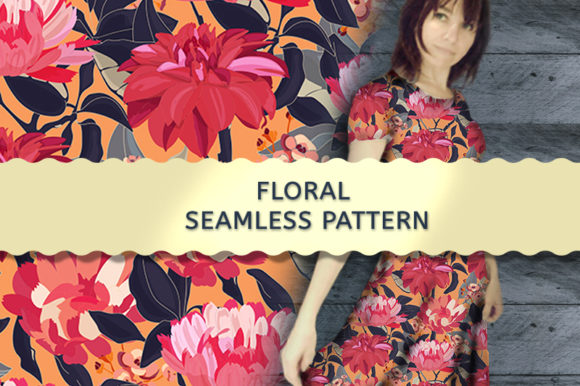
If you’re searching for a floral pattern that combines elegance with versatility, the Red Asters, Dahlias, Chrysanthemums vector seamless pattern deserves a close look. This tile-ready design captures the richness of autumn blooms—vibrant red asters, layered dahlias, and classic chrysanthemums—set against a warm orange background with deep green foliage. Whether you’re a graphic designer, a home décor enthusiast, or a small business owner, this pattern offers a practical way to add botanical charm to your projects without starting from scratch.
What Makes This Pattern Stand Out?
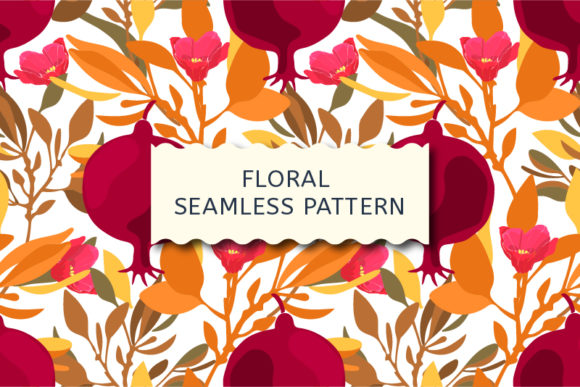
The first thing you notice is the color harmony. The red asters, dahlias, and chrysanthemums are rendered in rich, saturated tones that feel both bold and natural. They float over an orange backdrop, with dark green branches and leaves anchoring the composition. The result is a botanical tile pattern that works for multiple seasons—especially autumn—but doesn’t feel limited to one time of year.
From a technical standpoint, the pattern is built as a seamless vector tile. This means the edges match perfectly when repeated, creating an uninterrupted flow across any surface. The package includes an EPS vector file for Adobe Illustrator, a high-resolution JPG at 6000x4000 pixels, and a readme TXT file with usage notes. The vector format gives you unlimited scalability without pixelation, while the JPG is ready for immediate use in print or digital projects.
Another strength is the isolated element design. Each flower and leaf is handled as an object, so the pattern doesn’t look crowded or chaotic. The spacing allows the individual asters, dahlias, and chrysanthemums to breathe, which makes it suitable for both large-scale applications like wallpaper and smaller ones like gift wrap.
Practical Applications Across Different Fields
This pattern is designed to be a workhorse asset. Its versatility means it can be dropped into a wide range of personal, professional, and commercial contexts. Here are some of the most realistic uses I’ve seen—and recommend.
Fabric and Interior Textiles
Because the pattern is seamless and high-res, it can be printed onto fabric through services like Spoonflower or local textile printers. Imagine a set of throw pillow covers featuring Red Asters, Dahlias, Chrysanthemums in a living room with neutral furniture. The orange background adds warmth without overwhelming the space. For curtains, upholstery, or even duvet covers, the repeat scale can be adjusted in Illustrator to fit the intended surface.
Wallpaper and Wall Murals
Home décor professionals and DIYers alike can use the JPG or EPS to create custom wallpaper. The orange and red palette works beautifully as an accent wall in a bedroom, home office, or entryway. Because the pattern is tile-based, you can preview it easily on a small section before committing to a full room. The deep green branches provide a visual break, preventing the reds from feeling too aggressive.
Wrapping Paper and Stationery
For small businesses, bloggers, and Etsy sellers, this print is a ready-made design for gift wrap, card sets, or paper bags. The 6000x4000 pixel JPG can be scaled down to letter or A4 size with fantastic clarity. You could also edit the EPS to remove certain elements, creating a custom layout for branded packaging. The floral motif appeals to a broad audience, from nature lovers to vintage-inspired shoppers.
Digital Paper and Printable Backgrounds
Digital scrapbookers, social media managers, and educators will appreciate having a pattern that works as a digital background. Use the JPG as a tile for website sections, Zoom backgrounds, or printable classroom decorations. Since the file is already 6K, it can be cropped or resized without losing detail. The seamless repeat also means you can create infinite canvas effects for blog headers or PDF documents.
Branding and Marketing Materials
Entrepreneurs in the flower, gift, or boutique industries can integrate the pattern into their branding. For example, a florist might use it as a background for price lists or a seasonal social media campaign. A wedding planner could adapt the asters and chrysanthemums for table numbers or menu cards. The vector file allows color editing in Illustrator—swap the orange to a soft cream if you need a more subdued look.
Real-World Use Cases and Observations
I’ve seen this pattern used in several projects that highlight its strengths. One interior designer used the EPS to create a custom wallpaper panel for a client’s reading nook. She scaled the pattern to 150% to make the flowers larger and more dramatic, then paired it with deep charcoal furniture. The result felt cohesive, not cluttered.
A home craft blogger downloaded the JPG and printed it on adhesive paper to line the drawers of an antique dresser. She mentioned how easy it was because the pattern already had tiles that matched—no awkward cutting or aligning.
From a professional standpoint, the readme.txt file is a thoughtful addition. It outlines licenses, credits, and recommended software. That kind of clarity is valuable when you’re using assets in client work. Always check the readme before distributing or selling products made with the pattern.
Tips for Getting the Most Out of This Vector Pattern
To make the pattern work best for your specific project, keep these practical considerations in mind.
- Open the EPS in Adobe Illustrator to adjust scale, rotate elements, or change colors. The vector layers are typically well-organized, so you can isolate the asters, dahlias, and chrysanthemums individually. This is especially useful if you want to create a tighter or looser repeat.
- Use the JPG for quick previews or for projects that don’t require further editing. At 6000x4000 pixels, it prints cleanly up to around 20x13 inches at 300 DPI. For larger surfaces, stick with the vector format and export at your needed resolution.
- Test the tile on a small area before committing to large runs. The pattern is seamless, but some surfaces (like fabric with a distinct weave) can shift the alignment. Order a sample or print a small proof first.
- Pair with solid colors to balance the intensity. The orange background is energetic, so using a neutral or dark tone for adjacent elements—like a base wall or tablecloth—helps the pattern pop without overwhelming the eye.
- Consider the seasonality. While the red and orange palette screams autumn, you can adapt it by changing the background color in the EPS. A dark navy or soft blush would give the pattern a completely different personality for spring or winter projects.
When evaluating any vector pattern, I always look at how the elements are distributed. The Red Asters, Dahlias, Chrysanthemums tile has a good mix of large and small blooms, which prevents monotony. The deep green leaves also add texture, making the pattern feel like a natural garden rather than a flat repetition.
One more recommendation: if you’re a marketer or blogger, use a small section of the pattern as a brand element—like a footer background or a sidebar header. Because the tile is seamless, you can crop a portion and it still looks cohesive. That gives you a custom look without needing to design from scratch.
Ultimately, the Red Asters, Dahlias, Chrysanthemums pattern is more than just a pretty design—it’s a tool for creativity and efficiency. With its professional file formats and thoughtful color palette, it fits seamlessly into workflows for designers, entrepreneurs, and hobbyists alike. Whether you’re wrapping a gift, refreshing a room, or building a brand, this floral vector pattern delivers real utility wrapped in natural beauty.